
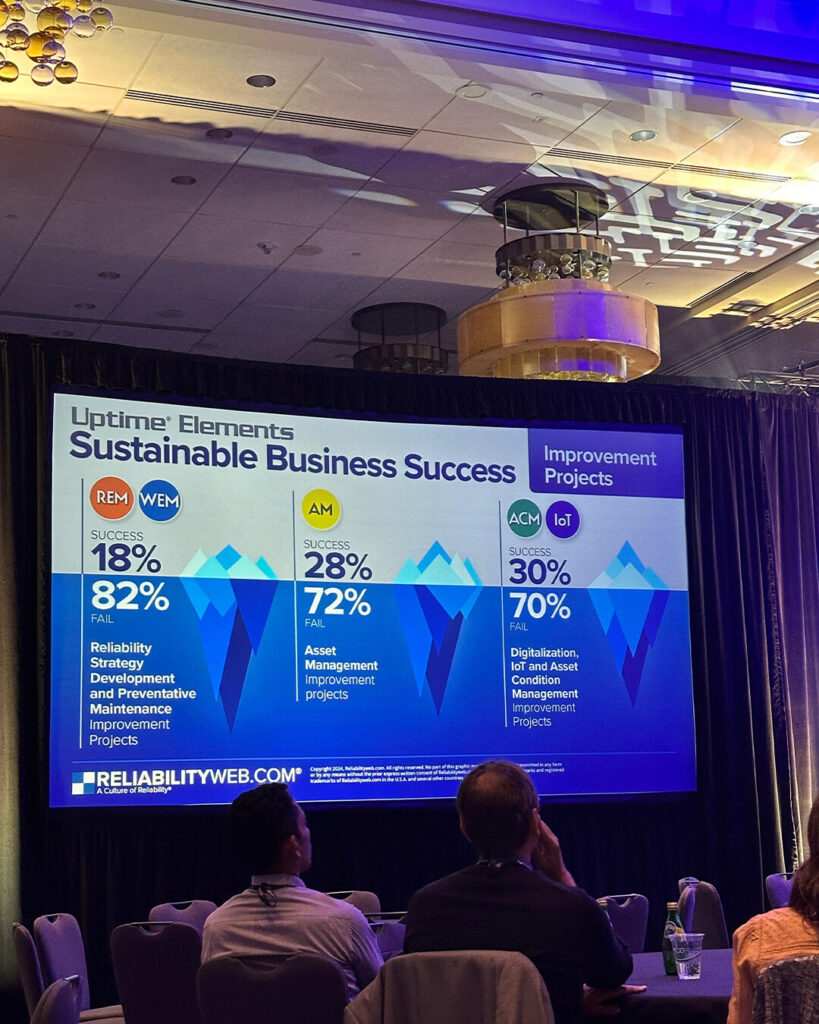

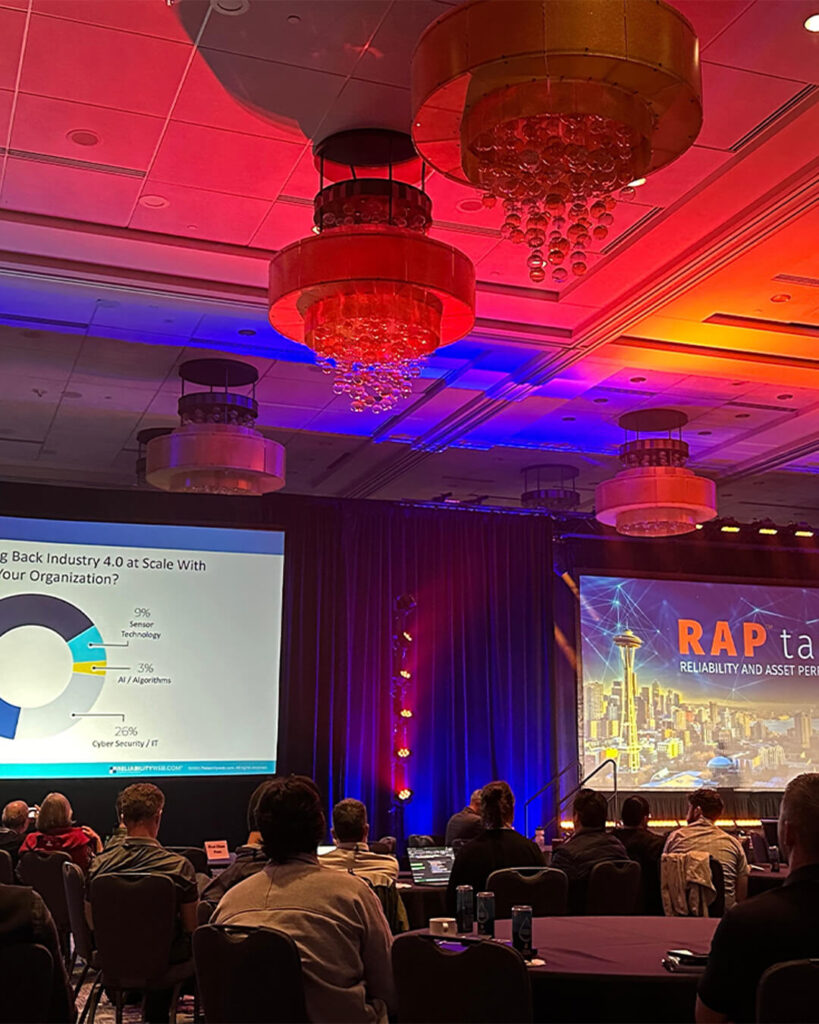

Our Global PMO Product Manager, Ege Berkay Bozkurt, proudly represented bEAM Cloud at The Reliability Conference 2025, joining global maintenance and reliability professionals to exchange insights on the future of connected asset management.
This premier event provided the perfect stage to highlight how bEAM Cloud transforms maintenance operations by connecting assets, sensors, and ERP systems on a single intelligent platform. Through seamless integration and automation, bEAM Cloud empowers organizations to achieve higher reliability, optimize maintenance costs, and minimize downtime.
At The Reliability Conference, bEAM Cloud demonstrated how connected data leads to:
By participating in this global forum, bEAM Cloud reinforced its role as a trusted partner in reliability-centered maintenance. With bEAM Cloud, organizations gain the tools to not only maintain critical assets, but also transform reliability into a measurable business advantage.
Low-code platforms and ERP systems can easily integrate. This combination brings efficiency to business processes and contributes to digital transformation by enabling the development of customized applications.

Integrating ERP systems and low-code platforms is highly effective in business process automation. Repetitive tasks of business processes are automated through this integration. In addition, manual tasks are carried out in this automated order, reducing the error rate and enabling employees to take part in other tasks. Low-code ERP systems, which transform complex business processes into simpler forms, offer an increase in productivity.
Low-code platforms integrated with ERP systems facilitate inter-departmental communication and data sharing, providing speed and practicality in operations. With simultaneous data panels and reporting tools, business processes, and performance evaluation can become easier.
Low-code platforms minimize the need for technical knowledge, speeding up the application development process and saving time. With its structure that lessens dependency on technical departments, it significantly reduces the maintenance costs of the systems. The functions that the ERP system must fulfill can be quickly customized with low-code platforms. In this way, applications suitable for business needs can be designed in a shorter time. Time and cost savings are achieved by preventing possible disruptions in workflow processes. In addition, the high efficiency and flexibility offered by low-code ERP systems can provide financial advantages for businesses in the long term. When businesses can update ERP systems according to changing conditions, seamless execution of workflows without interruptions becomes possible.

Customizable ERP solutions offer user-friendly interfaces. This facilitates easy adoption of ERP tools and ensures that the whole team is involved in the business processes. Thus, even non-technical employees can participate in application development processes. This has a positive impact on collaboration by strengthening communication between departments. Low-code ERP systems enhance efficiency in the business development processes of teams by allowing customization of workflows.
ERP systems and low-code platforms simplify data flow and control in the operational processes of businesses. API mechanisms and connectors that enable two software components to communicate with each other have an important role in the integration of ERP systems. Seamless data flow between systems increases ERP system efficiency. Thus, a centralized management system is created, and simultaneous data synchronization brings efficiency to decision-making processes.
Growing business may require rapid adaptation to changing conditions and demands. Integration solutions that facilitate rapid adaptation provide flexibility to businesses. These digital solutions help create agile workflows and integrate new departments into the system, making it practical to expand operations. In this way, growing businesses can increase their efficiency by quickly adapting to changing circumstances.
If you want to take a giant step forward in your digital transformation journey, Bimser is here for you with its special low-code platform. Our low-code platform, Synergy, is a content services platform that enables you to access applications from anywhere with a cloud system that includes file management and back-office processes. Fully compliant with regulations, the platform is designed with special integration options for systems such as ERP.
Bimser Synergy Low-Code Platform helps you to have a fast, easy, and low-cost digital transformation. Request a demo to digitize your business processes quickly by minimizing the need for technical information with our user-friendly interface and flexible structure.